
WHAT IS EXTENSIVE GRAZING AND HOW DOES IT WORK?
Extensive grazing is a livestock system based on the use of natural vegetation as the main source of feed.
In extensive sheep farming, flocks move across the land, guided by the shepherd, adapting to the seasons and available resources.
This movement allows for a balanced use of resources.
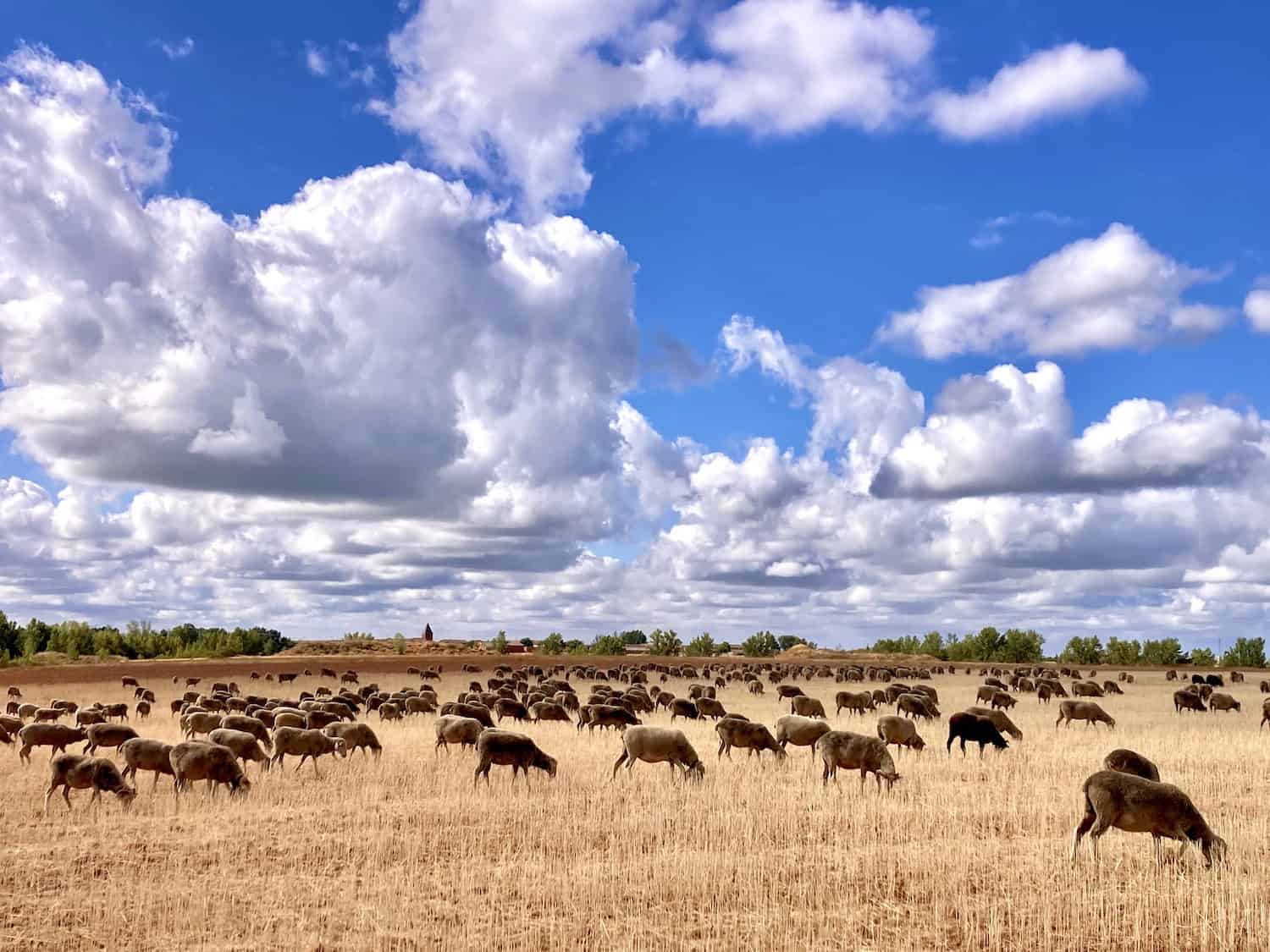
A TRADITION ROOTED IN THE LAND
Extensive grazing forms part of Spain’s history, shaped through practices such as transhumance.
Livestock routes allow for the seasonal movement of animals in search of pasture, linking different regions and landscapes. Many of these historic routes were later paved and now form part of the road network that structures our territory.
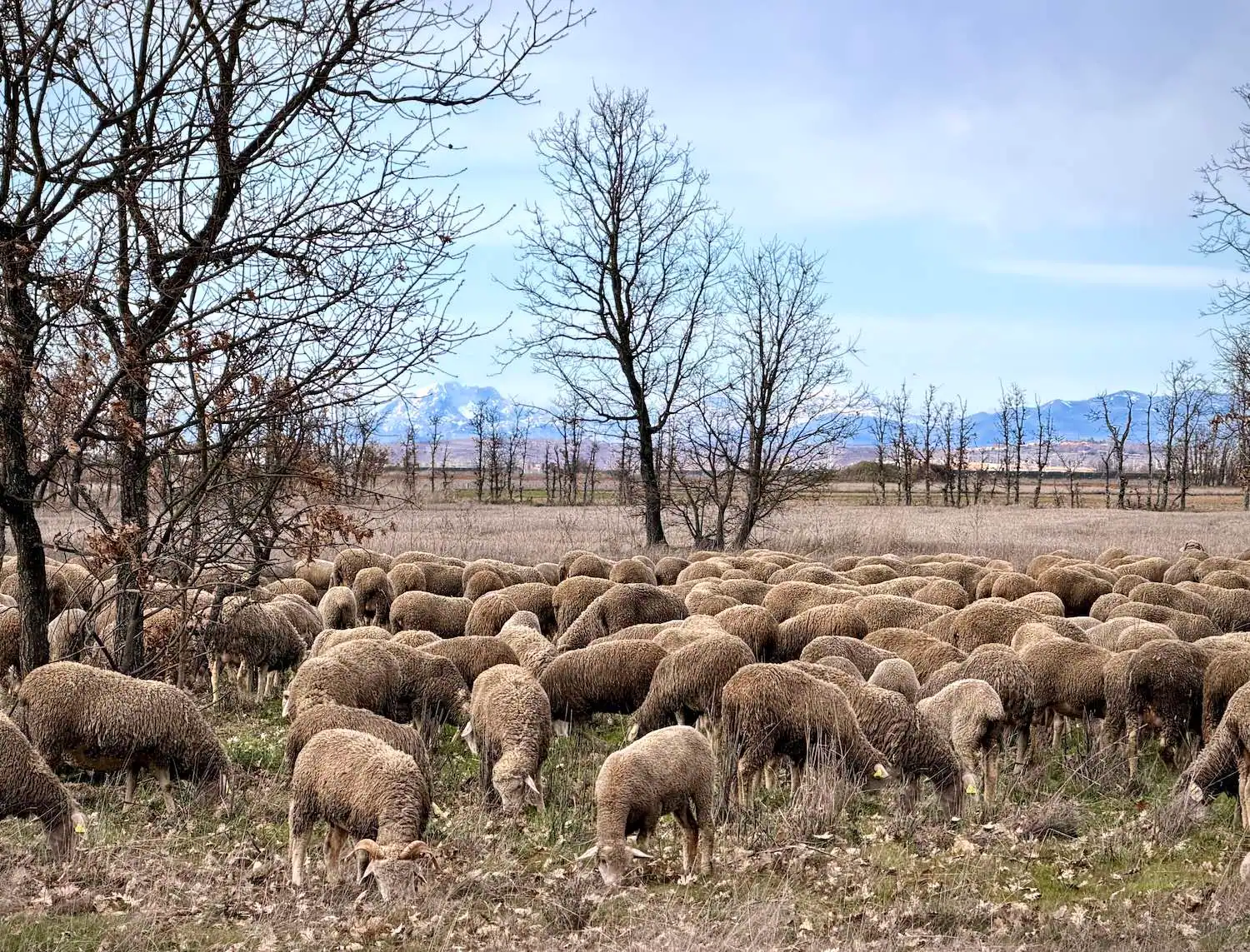
ENVIRONMENTAL AND SOCIAL VALUE
This practice shapes the landscape and contributes to the maintenance of rural communities.
By controlling vegetation, it reduces wildfire risk and supports biodiversity. The movement of animals improves soil health and stimulates plant regeneration.
It also sustains local economies and helps maintain life in rural areas, generating everything from employment to an everyday topic of conversation.
It is a holistic way of managing the land, providing ecological and social balance.
SUSTAINABLE PRODUCTION
Sheep convert grass, scrubland, and agricultural by-products into meat and wool, generating value from resources that would otherwise go unused.
This links food production directly to the environment, with low reliance on external inputs.
Production is based on knowing how to manage the resources available at any given time.